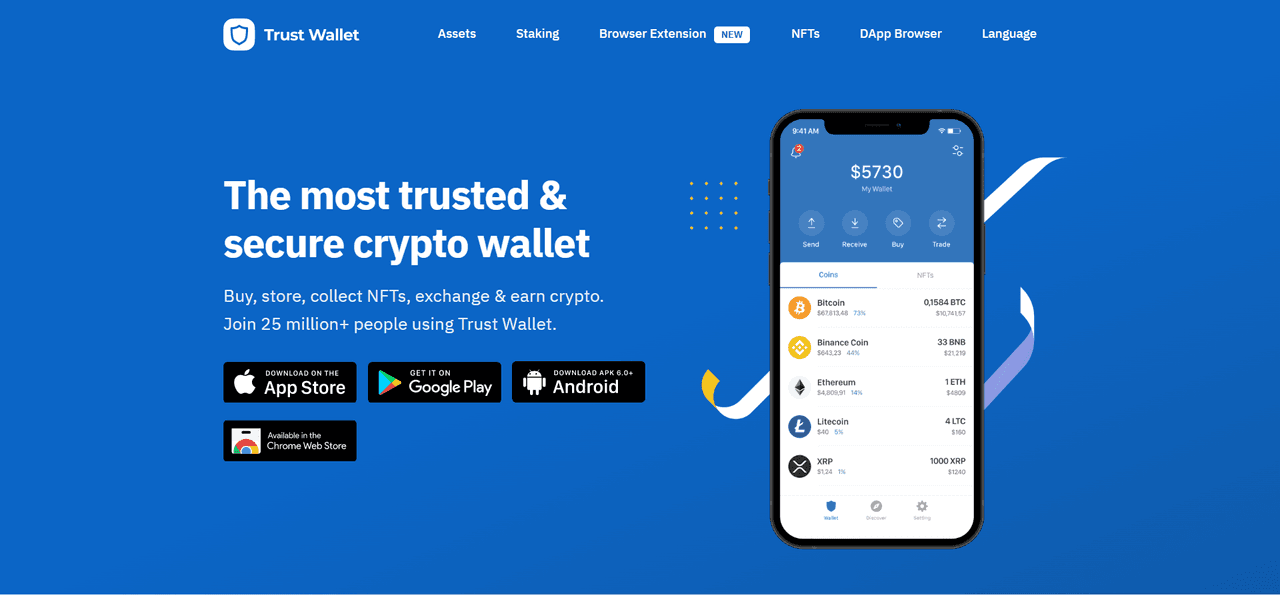
Trust Wallet Extension – The Complete Guide to Managing Cryptocurrency Securely on Desktop
The Trust Wallet Extension is your gateway to securely managing, sending, and interacting with cryptocurrencies on desktop browsers. As the desktop counterpart to the popular mobile Trust Wallet, this extension allows users to access decentralized applications (dApps), manage multiple cryptocurrencies, and conduct blockchain transactions in a secure and user-friendly environment. Whether you are new to digital assets or an experienced trader looking for enhanced desktop accessibility, the Trust Wallet Extension provides the tools, guidance, and security features necessary to safely manage your crypto portfolio. This guide will cover everything from installation and setup to advanced features, best practices, and long-term security strategies, ensuring you can confidently use the extension for all your crypto activities.
Cryptocurrencies are decentralized, meaning you are responsible for the safety of your private keys and digital assets. While mobile wallets are convenient, desktop extensions add an additional layer of usability for dApp interactions, trading, and blockchain transactions. Trust Wallet Extension is designed to combine the security of a non-custodial wallet with the convenience of desktop accessibility, enabling full control over your funds without sacrificing safety.
Why the Trust Wallet Extension Matters
Security and convenience are two critical considerations for cryptocurrency users. While mobile wallets provide portability, desktop extensions provide flexibility for more complex blockchain interactions, particularly when using decentralized applications. Key reasons the Trust Wallet Extension is essential include:
Enhanced Security: Private keys are stored locally on your device, not on servers.
Desktop Accessibility: Conduct transactions, manage tokens, and interact with dApps from your computer.
Support for Multiple Blockchains: Ethereum, Binance Smart Chain, Polygon, and more.
Integration with dApps: Seamless access to decentralized exchanges, NFT platforms, and DeFi protocols.
Non-Custodial Control: You retain full ownership of your private keys and assets.
This combination of security, control, and desktop functionality makes the Trust Wallet Extension a powerful tool for cryptocurrency enthusiasts.
Preparing to Install the Trust Wallet Extension
Before installing the Trust Wallet Extension, it is important to ensure that you have the necessary tools and environment for secure setup.
What You Will Need:
A desktop browser compatible with the extension, such as Chrome, Firefox, or Brave.
A Trust Wallet mobile account (optional, but useful for migration).
A secure environment with up-to-date antivirus and no malware.
A backup of private keys or recovery phrases for your mobile wallet, if importing existing funds.
Preparation ensures a smooth installation and minimizes the risk of errors or security breaches.
Step 1: Installing the Trust Wallet Extension
Open your browser and navigate to the official website to download the Trust Wallet Extension.
Select the version compatible with your browser and click Add to Browser.
Confirm the addition of the extension to your browser toolbar.
Wait for installation confirmation, then click the extension icon to open.
It is crucial to always download the extension from the official source to prevent malware or phishing attacks. Avoid third-party download links.
Step 2: Setting Up Your Wallet
Once installed, you can either create a new wallet or import an existing one.
Creating a New Wallet:
Select Create Wallet in the extension interface.
Set a strong password for local access.
Securely write down the recovery phrase (usually 12 or 24 words).
Confirm the recovery phrase to ensure accuracy.
Importing an Existing Wallet:
Select Import Wallet.
Enter your recovery phrase from your mobile Trust Wallet or another compatible wallet.
Set a new password for desktop access.
Verify that all assets and tokens are displayed correctly.
The recovery phrase is the most critical component of wallet security. Store it offline, never share it, and avoid digital backups where possible.
Step 3: Exploring the Trust Wallet Extension Interface
The extension interface is designed for accessibility and security. Key features include:
Portfolio Overview: Displays balances for all supported cryptocurrencies.
Send and Receive: Transfer funds to other wallets with secure verification.
Token Management: Add, remove, or track tokens across supported blockchains.
Transaction History: Review all completed transactions for transparency.
dApp Browser Access: Connect to decentralized applications directly from the desktop.
Understanding the interface ensures you can efficiently manage assets while avoiding errors.
Step 4: Securing Your Wallet
Security is paramount when using a desktop wallet extension. Recommended practices include:
Use a Strong Password: Ensure it is unique and complex.
Enable Locking Features: Automatically lock the extension after inactivity.
Verify Transactions: Double-check addresses before sending funds.
Keep Software Updated: Update your browser and the extension to patch vulnerabilities.
Secure Your Recovery Phrase: Never store it digitally; write it offline in a safe place.
These measures protect against unauthorized access, malware, and phishing attacks.
Step 5: Adding and Managing Tokens
The Trust Wallet Extension supports multiple blockchains, allowing users to manage a wide variety of tokens.
Adding Tokens:
Click Add Token.
Select the blockchain and enter the token contract address if necessary.
Confirm addition and verify balance visibility.
Managing Tokens:
Group tokens by blockchain for easier tracking.
Monitor price changes using built-in charts and metrics.
Use token labels to organize your portfolio.
Managing tokens effectively ensures you can monitor and react to market changes efficiently.
Step 6: Sending and Receiving Cryptocurrency
Transactions on the Trust Wallet Extension are simple but must be handled carefully.
Sending Crypto:
Select the cryptocurrency you want to send.
Enter the recipient address and the amount.
Confirm transaction details and approve on the extension.
Monitor blockchain confirmations to ensure completion.
Receiving Crypto:
Select the token to receive.
Copy or scan the wallet address displayed.
Share the address securely with the sender.
Wait for blockchain confirmations.
Always double-check addresses before confirming transactions, as blockchain transactions are irreversible.
Step 7: Interacting with Decentralized Applications
One of the most powerful features of the Trust Wallet Extension is its ability to interact with decentralized applications:
Connect the wallet to decentralized exchanges for trading.
Participate in staking programs directly from the extension.
Explore DeFi lending and borrowing protocols.
Access NFT marketplaces and manage assets securely.
Desktop accessibility makes it easier to navigate complex applications while keeping private keys secure offline.
Step 8: Importing and Exporting Wallets
The extension allows importing wallets from mobile devices and exporting recovery phrases for backup.
Importing:
Use your mobile Trust Wallet recovery phrase to import all assets.
Ensure the phrase is entered accurately to prevent loss of funds.
Exporting:
Access the recovery phrase to back up offline securely.
Never store digital copies or share with anyone.
Having backups ensures recovery in case of device loss or failure.
Step 9: Security Best Practices for Desktop Users
Desktop wallets are more exposed to potential cyber threats than mobile devices. Recommended practices include:
Avoid using public Wi-Fi when accessing your wallet.
Install reputable antivirus and anti-malware software.
Regularly monitor wallet activity and transaction history.
Keep your operating system and browser up to date.
Use a separate device for high-value transactions if possible.
These practices reduce risk and protect your cryptocurrency assets.
Step 10: Managing Multiple Blockchains
Trust Wallet Extension supports multiple blockchains, providing flexibility for traders and investors:
Ethereum, Binance Smart Chain, Polygon, Avalanche, and others.
Track balances and transactions separately for each chain.
Switch between networks easily to manage assets efficiently.
Add new tokens as ecosystems grow without compromising security.
Managing multiple blockchains ensures portfolio diversification and access to a wide variety of opportunities.
Step 11: Customizing the User Experience
The extension allows personalization to suit individual preferences:
Choose between light and dark modes for comfort.
Adjust notifications for transactions and network activity.
Organize tokens and accounts for easier navigation.
Save frequently used addresses for recurring transactions.
Customization enhances usability while maintaining high security standards.
Step 12: Advanced Features
The Trust Wallet Extension provides advanced features for experienced users:
Hardware Wallet Integration: Connect Ledger or Trezor devices for added security.
Staking: Earn rewards on supported blockchains.
Multi-Account Management: Manage several wallets from one extension.
Analytics Tools: Track token performance and historical trends.
These features allow users to leverage desktop functionality while maintaining full control over their assets.
Step 13: Staying Safe from Scams and Phishing
Security threats are common in cryptocurrency. Users should follow these best practices:
Only download the extension from official sources.
Do not share your recovery phrase or private keys.
Verify websites before connecting your wallet to dApps.
Be cautious with unsolicited emails or messages claiming to be wallet support.
Being proactive about security reduces the risk of losing funds to malicious actors.
Step 14: Long-Term Security and Management
For long-term management of cryptocurrency using the Trust Wallet Extension:
Use hardware wallets for cold storage of large holdings.
Regularly back up recovery phrases in secure offline locations.
Monitor network and blockchain updates to maintain compatibility.
Consider diversification across multiple wallets for added security.
A disciplined, informed approach ensures that your digital assets remain secure over the long term.
Step 15: Benefits of Using the Trust Wallet Extension
The extension provides multiple advantages for desktop users:
Security: Private keys remain offline and controlled by the user.
Convenience: Manage crypto on desktop with full functionality.
dApp Access: Seamlessly interact with decentralized applications.
Multi-Blockchain Support: Manage diverse assets in one interface.
Customizability: Tailor the wallet to your preferences and workflow.
Long-Term Management: Securely store, stake, and track assets over time.
By combining security, flexibility, and advanced functionality, the Trust Wallet Extension is ideal for both beginners and experienced users.
Step 16: Getting Started Today
The Trust Wallet Extension allows you to take full control of your cryptocurrencies from your desktop. By following this guide, you can confidently install, set up, secure, and manage your wallet. From sending and receiving funds to interacting with decentralized applications and managing multiple blockchains, every feature is designed for usability and safety.
Start using the Trust Wallet Extension today to enjoy a seamless desktop experience while maintaining the security and autonomy that are central to cryptocurrency ownership. With careful setup, adherence to best practices, and ongoing security vigilance, your desktop wallet becomes a powerful tool for managing digital assets confidently.