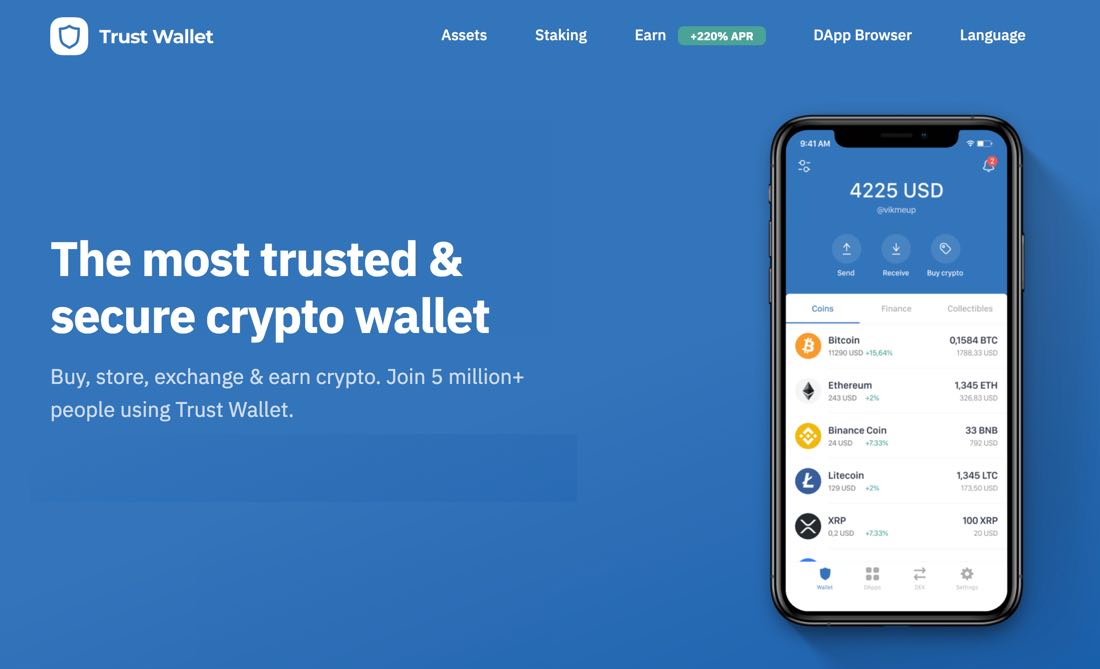
Trust Wallet Extension – The Complete Guide to Secure Crypto Management
Trust Wallet Extension is a powerful tool that allows users to manage their cryptocurrency securely and efficiently directly from their web browser. As the digital finance ecosystem grows, decentralized applications (DApps) and web-based wallets have become increasingly important for seamless access to digital assets. Trust Wallet Extension bridges the gap between mobile wallet convenience and desktop functionality, offering users secure access to crypto, DeFi platforms, NFTs, and more—all without compromising security.
This guide, approximately 1,800 words, provides a comprehensive overview of the Trust Wallet Extension. It covers installation, setup, wallet management, DApp integration, transaction security, backup strategies, and best practices for long-term use. By the end, users will have a clear roadmap for safely leveraging the Trust Wallet Extension to manage cryptocurrencies and digital assets.
Why Trust Wallet Extension Matters
Cryptocurrency ownership comes with both freedom and responsibility. Unlike traditional bank accounts, crypto assets are fully controlled by the wallet holder. Losing private keys, falling victim to phishing attacks, or mismanaging wallet security can lead to irreversible loss.
The Trust Wallet Extension offers a secure environment for managing private keys and interacting with decentralized applications while maintaining user control over funds. It provides a user-friendly interface, compatibility with multiple blockchains, and seamless integration with DeFi platforms, allowing investors to participate in decentralized finance without exposing themselves to unnecessary risks.
By using the Trust Wallet Extension, users combine the security of Trust Wallet’s mobile solution with the convenience of desktop access, ensuring a reliable and versatile cryptocurrency experience.
Step 1: Installing Trust Wallet Extension
Installing the Trust Wallet Extension is the first step in accessing its features. The extension is available for popular web browsers, including Chrome, Brave, and Edge.
Installation Steps:
Open your preferred browser and navigate to the official Trust Wallet Extension page.
Click “Add to Browser” and confirm the installation.
Verify that the extension icon appears in the browser toolbar.
Open the extension to begin setup.
Installation from official sources is critical. Third-party downloads or unofficial sources can introduce malware or phishing risks. Always confirm that the extension is downloaded from the verified site or browser store.
Step 2: Setting Up Your Wallet
After installation, setting up your wallet ensures that your assets are secure and accessible. Users can either create a new wallet or import an existing wallet using a seed phrase.
Creating a New Wallet:
Open the extension and select “Create New Wallet.”
Set a strong, unique password. This password encrypts the wallet locally on your device.
Write down the recovery seed phrase provided by the extension. This phrase is the only way to restore your wallet if your device is lost or compromised.
Confirm the seed phrase by entering it in the correct order.
Importing an Existing Wallet:
Select “Import Wallet” in the extension interface.
Enter the 12- or 24-word recovery seed phrase from your existing wallet.
Set a strong password to secure the wallet on your browser.
The recovery seed is the most critical element of wallet security. Store it offline in a secure location. Never share it digitally, take a screenshot, or store it on cloud services.
Step 3: Understanding the Wallet Interface
Once your wallet is set up, understanding the interface helps you navigate it efficiently and securely.
Key Features:
Portfolio Overview: Displays your asset balances across supported blockchains.
Send and Receive Crypto: Quickly transfer digital assets to other addresses.
Transaction History: Track all incoming and outgoing transactions for transparency.
Network Selection: Choose the appropriate blockchain network for your transactions.
Settings and Security Options: Adjust passwords, manage connected DApps, and set up additional security features.
The interface is designed to provide a balance between simplicity and advanced functionality, catering to both beginners and experienced users.
Step 4: Securing Your Wallet
Security is the cornerstone of any cryptocurrency wallet. The Trust Wallet Extension provides multiple layers of protection, but user practices are equally important.
Security Measures Include:
Local Encryption: Your private keys are stored encrypted on your device.
Password Protection: A strong password prevents unauthorized access.
Seed Phrase Backup: The recovery seed allows you to restore your wallet securely.
Device Security: Ensure your computer is free of malware and use secure browsers.
Users should also enable any available browser security features and regularly update their browser and extension to patch vulnerabilities.
Step 5: Connecting to Decentralized Applications
One of the major benefits of the Trust Wallet Extension is its seamless connection to decentralized applications (DApps). Users can interact with DeFi platforms, NFT marketplaces, and staking services without leaving the browser.
Connecting to DApps:
Navigate to a supported DApp through your browser.
Click “Connect Wallet” within the DApp interface.
Select Trust Wallet Extension as your wallet option.
Confirm the connection and authorize transactions as needed.
By connecting directly through the extension, users maintain control over private keys while interacting with decentralized platforms securely.
Step 6: Sending and Receiving Crypto
Managing transfers is a core function of the wallet.
Sending Crypto:
Open the wallet and select the asset you want to send.
Enter the recipient address carefully. Double-check for accuracy to avoid irreversible mistakes.
Input the amount and select the network.
Confirm the transaction details and approve the transfer.
Receiving Crypto:
Open the wallet and select the asset to receive.
Copy your wallet address or scan the QR code.
Share the address with the sender securely.
Always verify addresses carefully, especially when copying and pasting, to avoid errors or malicious substitution.
Step 7: Managing Multiple Assets
The Trust Wallet Extension supports a wide range of cryptocurrencies and tokens across different blockchains. Users can manage multiple assets in one interface, making diversification and portfolio tracking easier.
Tips for Efficient Asset Management:
Group assets by network for easier navigation.
Use the transaction history to track spending and transfers.
Regularly review portfolio allocations to ensure alignment with investment goals.
Remove inactive or unused tokens to reduce interface clutter.
Efficient asset management enhances both security and usability.
Step 8: Backup and Recovery
Backing up your wallet is essential for long-term security.
Backup Guidelines:
Store your seed phrase offline in a safe, secure location.
Consider a fireproof or waterproof storage solution for critical recovery data.
Do not share your seed phrase with anyone or store it digitally.
Test recovery periodically by restoring the wallet on a separate device.
A proper backup strategy ensures that you can recover your assets even if your browser or device is compromised.
Step 9: Advanced Features
Trust Wallet Extension offers advanced functionality for power users, including:
Custom Networks: Add and interact with less common blockchains.
Token Swaps: Swap tokens directly within the extension without using external platforms.
Staking: Participate in staking programs for supported tokens to earn rewards.
NFT Management: View and interact with NFTs within supported marketplaces.
Advanced features enhance usability and provide access to decentralized finance opportunities directly from the desktop environment.
Security Best Practices
Maintaining security requires more than just relying on the extension itself. Users should adopt ongoing habits:
Always verify URLs before connecting wallets to DApps.
Keep browser extensions and systems updated.
Avoid public or shared computers for wallet access.
Use strong, unique passwords and change them periodically.
Monitor transaction activity for unauthorized actions.
Consistently applying these practices reduces risk and strengthens the security of your assets.
Troubleshooting Common Issues
Even with proper setup, users may encounter issues. Common problems and solutions include:
Extension Not Loading: Restart the browser or reinstall the extension from the official source.
Failed Transactions: Verify network fees and blockchain congestion.
DApp Connection Errors: Disconnect and reconnect the wallet, ensuring the correct network is selected.
Lost Password: Use the recovery seed phrase to restore the wallet securely.
Using official support resources ensures that problems are resolved safely without exposing private keys or sensitive information.
Benefits of Using Trust Wallet Extension
The extension provides numerous advantages for managing crypto assets efficiently and securely:
Enhanced Security: Private keys are stored locally and encrypted.
Convenient Desktop Access: Combines the usability of desktop management with the security of mobile wallets.
Multi-Chain Support: Access and manage tokens across different blockchains.
DeFi Integration: Interact seamlessly with decentralized applications and staking services.
Portfolio Overview: Track balances, transactions, and investments in a single interface.
These features make the Trust Wallet Extension a versatile tool for both casual and experienced users.
Maximizing the Extension for Long-Term Use
To get the most out of the Trust Wallet Extension, users should adopt practices that enhance both security and investment strategy:
Regularly review portfolio performance.
Backup the seed phrase securely and verify recovery.
Connect only to trusted DApps.
Participate in staking and DeFi programs cautiously, understanding associated risks.
Keep the extension and browser updated for ongoing security.
Consistent attention to these practices ensures a secure, efficient, and productive cryptocurrency management experience.
Conclusion
Trust Wallet Extension provides a secure, convenient, and versatile way to manage cryptocurrencies and digital assets directly from a browser. From installation and setup to connecting DApps, sending and receiving crypto, managing multiple assets, and utilizing advanced features, the extension offers a comprehensive desktop solution while maintaining control over private keys.
By following best practices for security, backup, and transaction verification, users can confidently interact with the blockchain ecosystem, participate in DeFi opportunities, and manage digital portfolios efficiently. Trust Wallet Extension combines the flexibility of desktop access with the security standards of a mobile wallet, making it an essential tool for anyone serious about cryptocurrency management.
Starting with the Trust Wallet Extension equips users with the knowledge and tools to securely manage assets, engage with decentralized finance, and maintain long-term control over their digital wealth.